Posted on August 30th 2024 by Total Exterior Group
Downpipes play a crucial role in directing water away from your home’s foundations. When they function properly, they help prevent water damage, mould growth, and other structural issues. However, downpipes don’t last forever, and over time, they may show signs of wear and tear.
In this article, we’ll discuss the key signs that indicate your downpipes might need repair or replacement. By recognising these signs early, you can avoid costly repairs and maintain the integrity of your home.
Rust Buildup
What Causes Rust?
Rust buildup is one of the most common issues with metal downpipes. Rust forms when metal is exposed to moisture and oxygen over time, leading to corrosion. This is especially prevalent in areas with high humidity or frequent rainfall.
How to Spot Rust
Look for reddish-brown spots or streaks on your downpipes. These are clear indicators of rust. Also, check for flaking or peeling paint, as this can be a precursor to rust development.
Why Rust Is a Problem
Rust weakens the structural integrity of your downpipes. Over time, rusted areas can develop holes, leading to leaks and improper drainage. This can result in water pooling around your home’s foundations, causing potential damage.
What to Do About Rust
If you notice minor rust spots, you might be able to treat them with a rust converter and repaint the affected areas. However, if the rust is extensive, it’s best to replace the downpipes entirely to ensure proper drainage and avoid further damage.

Improper Drainage
Signs of Improper Drainage
Improper drainage is a serious issue that can lead to water damage. Here are some signs that your downpipes aren’t draining properly:
- Water pooling around the foundation
- Erosion in your landscaping
- Water stains on exterior walls
- Basement leaks or dampness
Causes of Improper Drainage
Several factors can cause improper drainage, including:
- Clogged downpipes
- Incorrect slope or installation
- Damaged or disconnected downpipes
How to Fix Improper Drainage
First, inspect your downpipes for blockages. Remove any debris, such as leaves or twigs, that might be obstructing the flow of water. If the issue persists, consider adjusting the slope or re-installing the downpipes to ensure proper drainage. In some cases, replacing the downpipes may be necessary.
Physical Damage
Types of Physical Damage
Physical damage to downpipes can take many forms, including:
- Dents and bends
- Cracks and holes
- Loose or disconnected sections
Causes of Physical Damage
Physical damage can occur due to various reasons, such as:
- Severe weather conditions (e.g., hail, strong winds)
- Accidental impact (e.g., lawnmowers, falling branches)
- General wear and tear over time
How to Address Physical Damage
Minor dents and bends can often be repaired using pliers or a rubber mallet. For cracks and holes, use a sealant or patch kit designed for downpipes. However, if the damage is extensive, replacing the affected sections or the entire downpipe may be the best option.
Leaks and Water Stains
Identifying Leaks
Leaks are a clear sign that your downpipes need attention. To identify leaks, look for water stains on the exterior walls near the downpipes. You might also notice water dripping from seams or joints.
Causes of Leaks
Leaks can be caused by:
- Cracked or broken downpipes
- Loose or separated joints
- Improper sealing
Fixing Leaks
For minor leaks, apply a waterproof sealant to the affected areas. Ensure that all joints are tightly connected and properly sealed. If the leaks persist, it may be necessary to replace the downpipes to ensure they function correctly.
Overflowing Gutters
What Causes Overflowing Gutters?
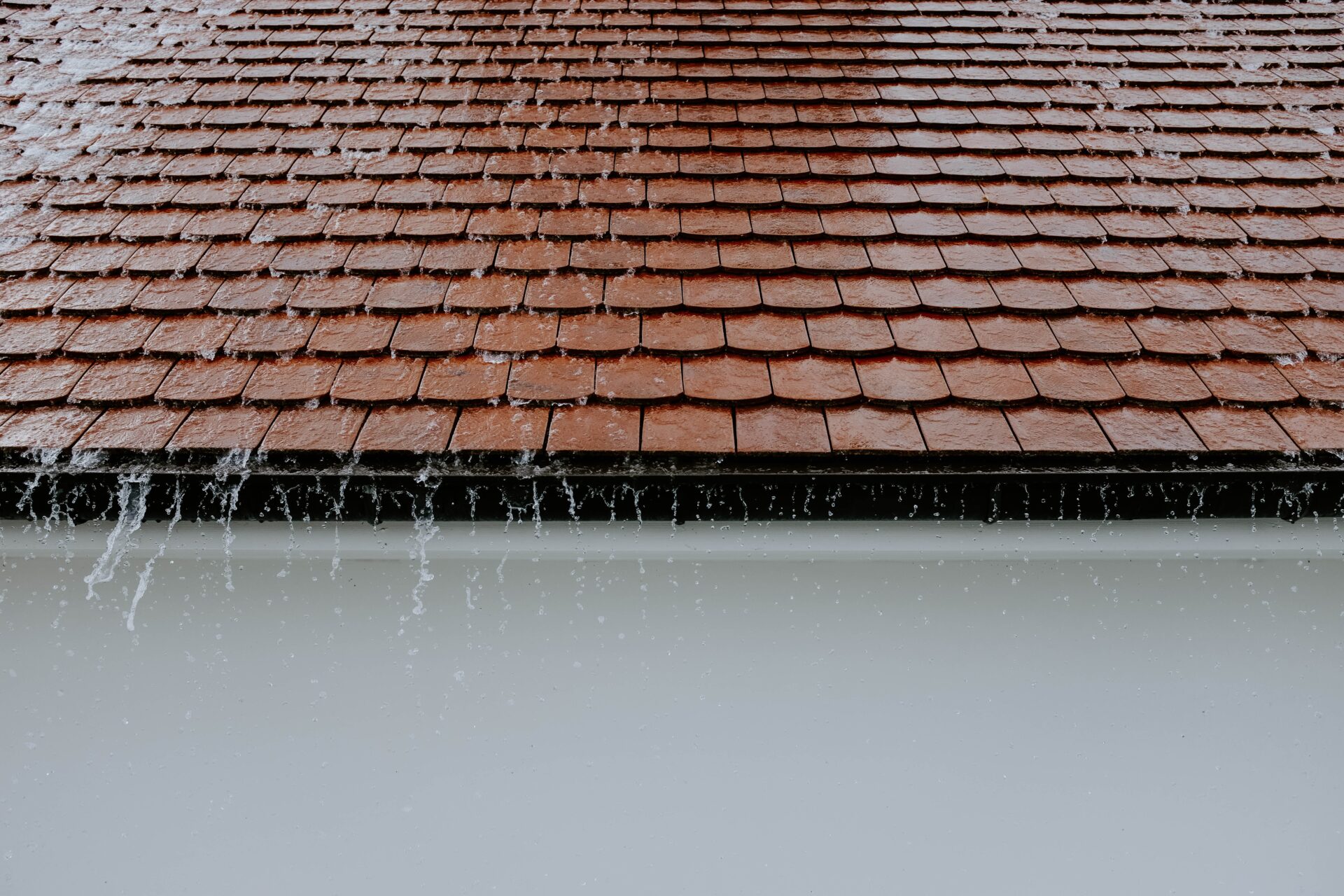
Overflowing gutters can indicate a problem with your downpipes. If the downpipes are clogged or not properly connected, water can back up and overflow the gutters.
How to Address Overflowing Gutters
First, clean your gutters and downpipes to remove any debris. Ensure that the downpipes are securely connected to the gutters and that there are no blockages. If the problem continues, consider installing larger downpipes to handle the volume of water more effectively.
Peeling Paint or Mildew
Signs to Look For
Peeling paint or mildew around your downpipes can indicate moisture issues. Look for:
- Peeling or bubbling paint on exterior walls
- Mildew or mould growth near the downpipes
Causes of Peeling Paint or Mildew
These issues are often caused by:
- Leaking or overflowing downpipes
- Improper drainage leading to excess moisture
How to Fix It
Address any leaks or drainage issues with your downpipes. Clean the affected areas and repaint if necessary. Ensure that your downpipes are directing water away from your home’s foundations to prevent future problems.
Conclusion
Your downpipes are a critical component of your home’s drainage system. Keeping them in good condition helps protect your home from water damage and other issues. By regularly inspecting your downpipes and addressing any signs of wear and tear, you can ensure they continue to function effectively.
If you notice rust buildup, improper drainage, physical damage, leaks, overflowing gutters, or peeling paint, take action to repair or replace your downpipes. Doing so will help maintain the integrity of your home and avoid costly repairs in the future.
Need Assistance?
If you’re facing issues with your downpipes or simply want to ensure your drainage system is in top condition, don’t hesitate to reach out to Total Exterior Group. Our team of experts is here to help you assess the situation and provide the necessary repairs or replacements to safeguard your home from water damage. Contact us today to schedule a consultation and take the first step towards maintaining the integrity of your home!