Posted on March 22nd 2025 by Total Exterior Group
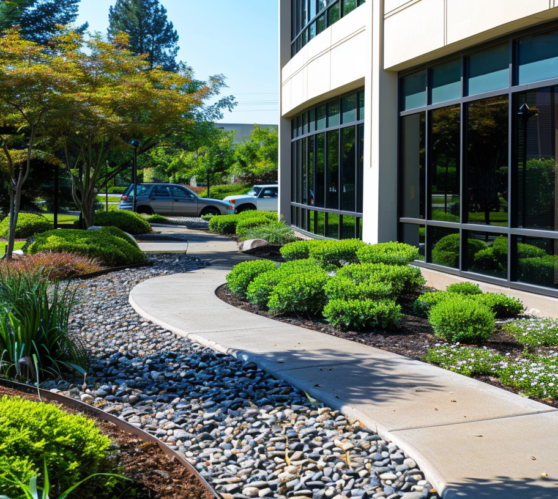
When it comes to landscape design, choosing between hard landscaping and soft landscaping can be a challenging decision for any business owner. Each offers unique benefits and distinct features that can significantly impact the appearance and functionality of your outdoor space. Understanding the differences between these two landscape elements can help you make an informed decision that aligns with your business needs and goals.
Understanding Hard Landscaping and Soft Landscaping
Before diving into the pros and cons of each, it’s important to understand what hard landscaping and soft landscaping involve.
What is Hard Landscaping?
Hard landscaping refers to the non-living elements of landscape design. This includes features like pathways, patios, decks, walls, and other structures made from materials such as stone, wood, concrete, or metal.
Hardscaping is essential for creating defined spaces and adding functionality to your landscape.
What is Softscaping?
In contrast, softscaping comprises the living elements of a landscape. This includes plants, trees, shrubs, flowers, and grass. Softscaping brings life, colour, and texture to your outdoor areas and can be a critical component in achieving a harmonious landscape design.
The Benefits of Hardscaping
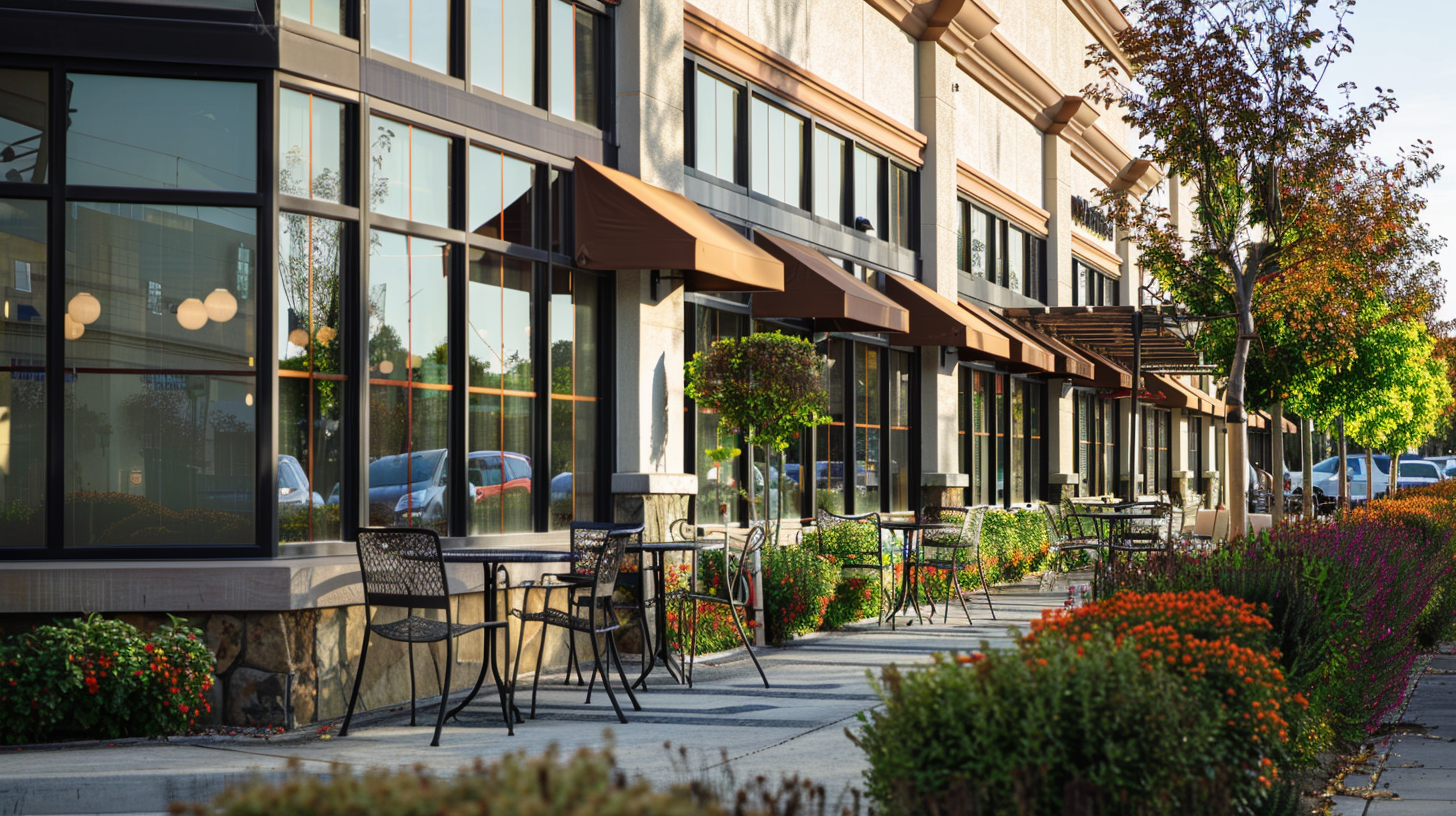
Hardscaping can offer numerous advantages, especially for businesses looking to create an inviting and professional outdoor environment.
Durability and Low Maintenance
One of the primary benefits of hardscaping is its durability. Unlike plants that require regular care and attention, hardscape elements are built to withstand the test of time with minimal upkeep. This makes them an ideal choice for businesses looking to reduce landscape maintenance costs.
Improved Functionality and Accessibility
Hardscaping can enhance the functionality of your outdoor area by providing spaces for seating, dining, or hosting events. Features like pathways and ramps can also improve accessibility, making your business more welcoming to all visitors.
Weather Resistance
Hardscape elements are designed to withstand various weather conditions. Whether it’s heavy rain, snow, or intense sunlight, materials like stone and concrete are resilient and can maintain their appearance and integrity over time.
The Benefits of Softscaping
While hardscaping offers many practical benefits, softscaping brings beauty and environmental advantages that should not be overlooked.
Aesthetic Appeal
Softscaping adds a natural beauty to your landscape that hardscaping alone cannot achieve.
The vibrant colours and diverse textures of plants and flowers can create a visually appealing environment that attracts customers and enhances your business’s kerb appeal.
Environmental Benefits
Plants play a crucial role in the ecosystem by producing oxygen, improving air quality, and providing habitats for wildlife. Incorporating softscaping into your landscape design can contribute to a healthier environment and promote biodiversity.
Seasonal Variety
Softscaping offers the opportunity to change your landscape design with the seasons. By selecting a variety of plants that bloom at different times of the year, you can ensure your outdoor space remains lively and engaging year-round.
Choosing the Right Balance
Deciding between hardscaping and softscaping isn’t about choosing one over the other but finding the right balance that suits your business needs.
Assessing Your Business Needs
Consider the primary purpose of your outdoor space.
Do you need an area for customers to relax and enjoy a meal, or are you looking to create a visually striking entrance? Understanding your business needs will guide your decision-making process.
Budget Considerations
Hardscaping projects often require a larger initial investment compared to softscaping, but they may offer long-term savings in maintenance costs. On the other hand, softscaping may be more affordable upfront but can incur ongoing expenses for upkeep.
Climate and Location
Your local climate and the specific conditions of your site can also influence your decision. In areas with harsh weather conditions, durable hardscape materials may be more suitable, whilst regions with mild climates can benefit from lush, thriving softscapes.
Integrating Hardscaping and Softscaping in Your Business
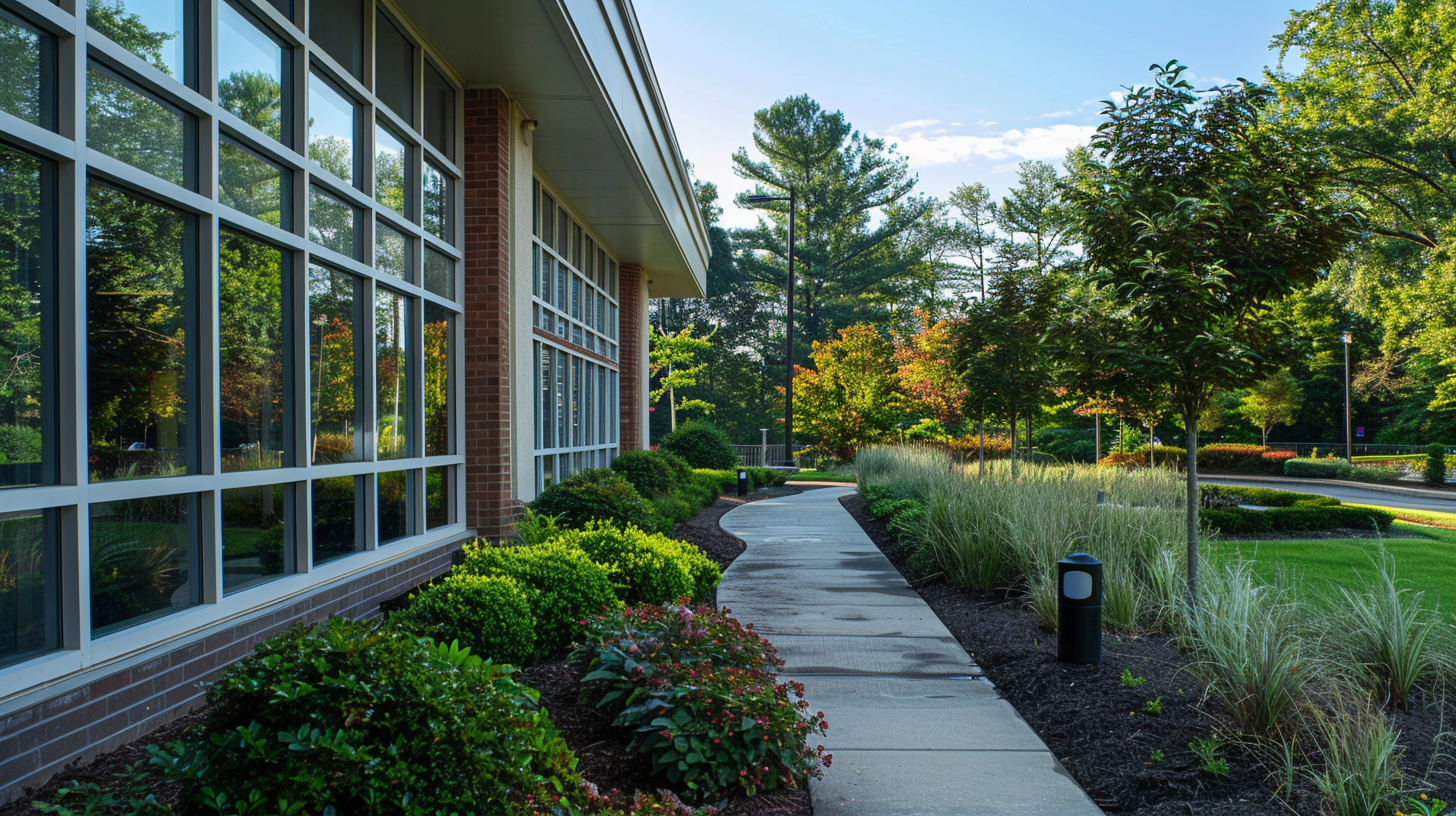
For most businesses, a successful landscape design involves a harmonious blend of both hardscaping and softscaping.
Creating Functional Spaces
By combining hardscape elements like patios or walkways with softscape features such as flower beds or greenery, you can create functional and inviting outdoor spaces that cater to your business’s specific needs.
Enhancing Visual Appeal
A well-designed landscape incorporates both elements to enhance visual appeal. For instance, a stone pathway leading to a garden area filled with colourful plants can create a stunning focal point that draws attention.
Sustainable Practices
When planning your landscape design, consider sustainable practices such as xeriscaping, which involves selecting drought-resistant plants to reduce water usage, or using permeable paving materials to improve drainage and minimise runoff.
Conclusion
In the debate of hardscaping vs. softscaping, the best choice for your business often lies in striking the right balance between the two.
By carefully assessing your needs, budget, and environmental conditions, you can create an outdoor space that not only enhances your business’s appearance but also provides a functional and welcoming environment for your customers. Whether you lean more towards hard landscaping or soft landscaping, remember that a well-thought-out landscape design can be a valuable asset to your business’s success.
Contact Total Exterior Group for Your Landscape Design Needs
Ready to transform your outdoor space with the perfect balance of hard-landscaping and soft-landscaping? Contact Total Exterior Group today! Our team of experts is here to help you create a stunning and functional landscape that aligns with your business goals. Don’t wait—reach out now to discuss your vision and get started on your project!