Posted on July 19th 2024 by Total Exterior Group
Caring for trees is essential for maintaining their health, beauty, and safety. Two fundamental tree care techniques often mentioned are pruning and trimming. While these terms are sometimes used interchangeably, they have distinct purposes and methods. This article aims to clarify the differences between pruning and trimming trees, so you can choose the right approach for your tree maintenance needs.
What is Tree Pruning?
Tree pruning is a horticultural practice focused on selectively removing specific parts of a tree, such as branches, buds, or roots. The primary goal of pruning is to improve the tree’s structure, health, and appearance. Pruning helps in:
- Removing dead or diseased branches
- Encouraging new growth
- Preventing potential hazards
- Shaping the tree for aesthetic purposes
Pruning is not just about cutting off branches randomly; it requires a strategic approach to enhance the tree’s overall vitality. For instance, selectively removing certain branches can reduce the risk of disease by increasing air circulation within the canopy, thereby reducing moisture that can harbour fungal growth. Additionally, pruning can alleviate stress on the tree by removing damaged or weak branches, allowing the tree to redirect nutrients to healthier parts.

Types of Pruning
There are several types of pruning, each serving a different purpose. Understanding these types can help you determine the best approach for your specific tree care needs.
Thinning
Thinning involves removing branches to increase light penetration and air circulation within the tree canopy. This method helps in reducing the risk of disease and promotes healthy growth. Thinning can also improve the structural integrity of the tree, making it less susceptible to wind damage.
By carefully selecting which branches to remove, thinning can also enhance the aesthetic appeal of the tree, giving it a more balanced and natural look. This technique is particularly beneficial for trees in densely planted areas where competition for light and nutrients is high.
Raising
Raising is the removal of lower branches to provide clearance for pedestrians, vehicles, or buildings. This type of pruning is often necessary for urban trees. It ensures that the lower part of the tree does not obstruct pathways, driveways, or other structures.
Raising is also crucial for the health of the tree, as it can prevent damage from vehicles or other objects that might otherwise come into contact with the lower branches. By removing these branches, the tree can focus its energy on growing stronger, healthier upper branches.
Reduction
Reduction pruning is done to decrease the overall size of the tree. It involves cutting back the height or spread of the tree while maintaining its natural shape. This technique is often used when trees grow too large for their space or when they pose a risk to nearby structures.
Reduction pruning must be done carefully to avoid damaging the tree or creating an unbalanced structure. It requires a good understanding of the tree’s growth patterns and an ability to predict how the tree will respond to the cuts.
When to Prune
Pruning is typically done during the dormant season, late autumn to early spring, when trees are not actively growing. This timing minimises stress on the tree and reduces the risk of pest infestations. Pruning during the dormant season also allows for better visibility of the tree’s structure, making it easier to identify which branches need to be removed.
However, some trees may benefit from pruning at different times of the year. For example, flowering trees are often pruned right after they bloom to avoid cutting off next year’s flower buds. Understanding the specific needs of your trees can help you determine the best time to prune.
What is Tree Trimming?
Tree trimming, on the other hand, is mainly concerned with cutting back overgrown branches to maintain the tree’s shape and appearance. Trimming is often performed on shrubs and hedges but is also applicable to trees. The goals of trimming include:
- Enhancing the tree’s aesthetic appeal
- Controlling the tree’s size and shape
- Preventing branches from encroaching on structures or power lines
Trimming is more about maintaining the desired look and size of the tree rather than addressing its health and structural issues. It’s a crucial practice for keeping landscapes neat and well-organised. Regular trimming can also prevent potential problems, such as branches growing too close to power lines or buildings, which can pose safety hazards.
Techniques of Trimming
Trimming techniques can vary depending on the type of plant and the desired outcome. Knowing the right technique can make a significant difference in the health and appearance of your trees and shrubs.
Heading Cuts
Heading cuts involve cutting back the terminal portion of a branch to a bud or lateral branch. This encourages dense growth and is often used for shaping shrubs and hedges. It’s a technique that can help create a fuller, more compact appearance.
However, heading cuts should be done with caution, as improper cuts can lead to weak growth and increased susceptibility to disease. Ensuring that cuts are made just above a bud or lateral branch can help promote healthy new growth.
Shearing
Shearing is a technique where branches are cut uniformly to create a specific shape or form. This method is commonly used for formal hedges and topiaries. Shearing gives a clean, manicured look to the landscape, making it ideal for creating geometric shapes and patterns.
While shearing can produce visually stunning results, it’s essential to maintain regular trimming schedules. Over-shearing can stress the plant and lead to reduced vigour over time. Understanding the growth patterns of the plants being sheared can help achieve the desired look without compromising their health.
When to Trim
Trimming can be done at any time of the year, but it’s best to avoid trimming during extreme weather conditions, such as very hot or freezing temperatures. Regular trimming ensures that the tree remains healthy and visually appealing.
For optimal results, consider trimming during the growing season when the tree can quickly recover and produce new growth. However, avoid trimming during periods of drought or extreme cold, as these conditions can stress the tree and slow its recovery.
Key Differences Between Pruning and Trimming
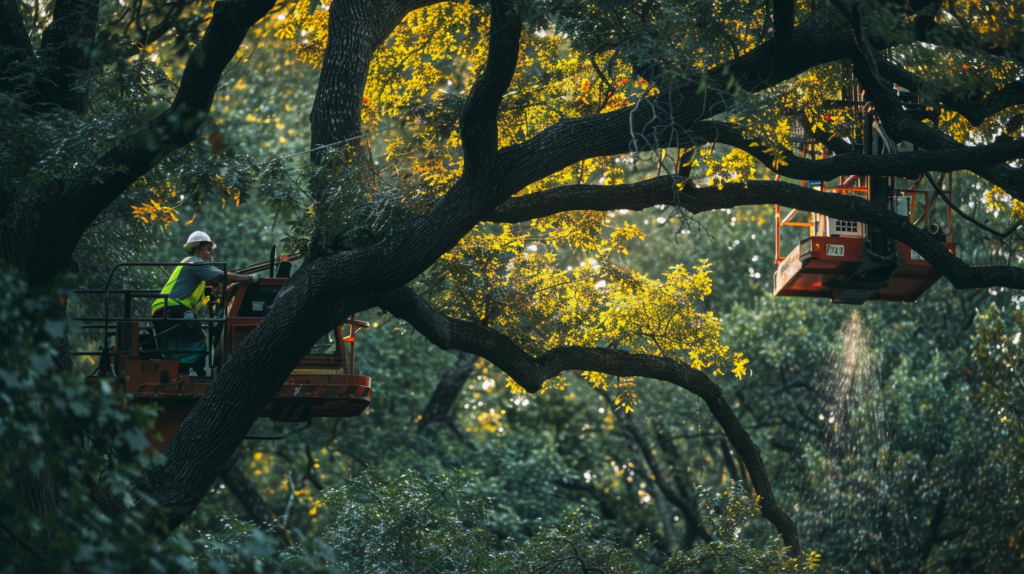
While both pruning and trimming involve cutting branches, their purposes and methods are different. Here are the key differences:
Purpose
- Pruning: Aimed at improving tree health, structure, and safety by removing dead or diseased branches.
- Trimming: Focused on maintaining the tree’s shape and appearance by cutting back overgrown branches.
Pruning is more about the long-term health and structural integrity of the tree. It involves making strategic cuts to address specific issues and promote overall vitality. Trimming, on the other hand, is about maintaining the desired look and size, ensuring that the tree or shrub fits well within the landscape.
Technique
- Pruning: Selective removal of specific parts of the tree, often involving cuts close to the trunk or main branches.
- Trimming: Cutting back branches to a uniform length, often for shaping purposes.
Pruning techniques are more complex and require a deeper understanding of tree biology. The cuts need to be precise to avoid damaging the tree and to promote healthy regrowth. Trimming techniques are generally simpler and focus on achieving a particular shape or size.
Timing
- Pruning: Best done during the dormant season to minimise stress on the tree.
- Trimming: Can be done at any time of the year, but best avoided during extreme weather conditions.
Timing is crucial for both practices, but the optimal periods differ. Pruning during the dormant season helps minimise stress and reduces the risk of disease. Trimming can be done more flexibly, but extreme weather should be avoided to prevent additional stress on the tree.
Benefits of Proper Tree Care
Proper tree care, whether through pruning or trimming, offers numerous benefits:
Healthier Trees
Removing dead or diseased branches prevents the spread of disease and encourages healthy growth. Proper trimming also allows for better air circulation and sunlight penetration, promoting overall tree health. Healthy trees are more resilient to pests, diseases, and environmental stresses.
Regular tree care can also help identify potential issues early, allowing for prompt treatment before they become more severe. This proactive approach can save the tree and reduce the need for more extensive interventions later on.
Improved Safety
Pruning helps eliminate potential hazards by removing weak or damaged branches that could fall during storms. Trimming prevents branches from encroaching on power lines, buildings, and walkways, reducing the risk of accidents. Ensuring the safety of your property and its occupants is a crucial aspect of tree care.
Regular inspections and maintenance can also help identify structural weaknesses or other safety concerns. Addressing these issues promptly can prevent costly damage and enhance the overall safety of your landscape.
Enhanced Appearance
Regular trimming keeps trees and shrubs looking neat and well-maintained. Pruning can also shape trees, enhancing their natural beauty and contributing to the landscape’s aesthetic appeal. A well-maintained landscape can significantly enhance the kerb appeal and value of your property.
By investing time and effort in proper tree care, you can create a visually stunning and harmonious outdoor space. Whether you prefer a more natural look or a formal, manicured appearance, regular pruning and trimming can help achieve your desired aesthetic.
Increased Lifespan
Trees that receive proper care are likely to live longer, healthier lives. Regular pruning and trimming reduce the risk of disease and damage, ensuring that trees remain robust and vibrant. A well-cared-for tree can provide beauty, shade, and environmental benefits for many years.
Investing in the long-term health of your trees can also reduce the need for costly removals and replacements. By maintaining their health and vitality, you can enjoy the benefits of mature, well-established trees in your landscape.
DIY vs. Professional Tree Care
While some tree care tasks can be handled by homeowners, others are best left to professionals. Here are some considerations:
DIY Tree Care
For small trees and shrubs, basic trimming and minor pruning can often be done by homeowners. However, it’s essential to use the right tools and techniques to avoid damaging the tree. Educating yourself about proper tree care practices can help you achieve good results while minimising the risk of harm.
When undertaking DIY tree care, always prioritise safety. Wear protective gear, use sharp and well-maintained tools, and avoid working on tall or large trees without proper equipment and expertise.
Professional Tree Care
For larger trees, complex pruning, and situations involving potential hazards, it’s advisable to hire a professional arborist. Certified arborists have the expertise and equipment to perform tree care safely and effectively. They can also provide valuable advice on the best practices for maintaining the health and beauty of your trees.
Professional tree care services can also offer regular maintenance plans, ensuring that your trees receive the ongoing care they need. Investing in professional care can save you time and effort while providing peace of mind that your trees are in good hands.
Conclusion
Understanding the difference between pruning and trimming is crucial for effective tree maintenance. Pruning focuses on improving tree health and structure, while trimming is aimed at maintaining shape and appearance. Both practices are essential for keeping trees healthy, safe, and visually appealing. Whether you choose to handle tree care yourself or hire a professional, regular maintenance is key to ensuring the longevity and beauty of your trees.
By implementing proper tree care techniques, you can enjoy the benefits of healthier, safer, and more attractive trees in your landscape. Regular attention to your trees not only enhances their appearance but also contributes to a more sustainable and enjoyable outdoor environment.
Contact Total Exterior Group for Professional Tree Trimming
Maintaining the appearance and integrity of your brick surfaces is essential for enhancing the kerb appeal and value of your property. Total Exterior Group offers expert brick cleaning services to ensure your bricks stay in top condition. Our team of professionals uses advanced techniques and high-quality products to effectively remove dirt, grime, and stains, restoring the natural beauty of your brickwork.
Don’t wait until your bricks show signs of wear and tear—contact Total Exterior Group today for a free consultation and let us help you maintain a pristine and attractive property.