Posted on November 8th 2024 by Total Exterior Group
When it comes to protecting your home from water damage, keeping your downpipes clear is crucial. Blocked downpipes can cause a range of problems, from water pooling around your foundation to leaks and even structural damage. Fortunately, with a little maintenance and the right strategies, you can prevent downpipe blockages and ensure efficient drainage. In this article, we’ll share essential tips for keeping your downpipes clear and maintaining effective rainwater management.
Understanding the Importance of Clear Downpipes

The Role of Downpipes in Rainwater Management
Downpipes are a critical part of your home’s rainwater management system. They work in conjunction with your gutters to direct rainwater away from your roof and foundation. When functioning properly, downpipes help prevent water damage by channelling water safely away from your home. However, when downpipes become blocked with leaves, twigs, and other debris, they can no longer perform this vital function.
Consequences of Blocked Downpipes
Blocked downpipes can lead to serious issues, such as:
- Water Damage: Water can overflow from gutters and pool around the foundation, potentially leading to leaks, basement flooding, and even structural damage.
- Roof Damage: Overflowing water can seep under tiles, causing roof leaks and damage.
- Pest Infestations: Standing water can attract mosquitoes and other pests.
- Ice Dams: In colder climates, blocked downpipes can contribute to ice dam formation, which can damage roofs and gutters.
Tips for Preventing Downpipe Blockages
Regular Cleaning and Maintenance
One of the most effective ways to prevent downpipe blockages is to clean and maintain your gutters and downpipes regularly. Here are some tips:
- Schedule Routine Cleanings: Clean your gutters and downpipes at least twice a year, ideally in the spring and autumn. If you have many trees around your home, consider more frequent cleanings.
- Use the Right Tools: Equip yourself with a sturdy ladder, gloves, a gutter scoop or small trowel, and a garden hose. A leaf blower can also be useful for clearing dry debris.
- Flush with Water: After removing debris, use a garden hose to flush out any remaining dirt or small particles. This will also help you identify any blockages in the downpipes.
Install Gutter Guards
Gutter guards are an excellent investment for preventing downpipe blockages. These protective covers are installed over your gutters to keep out leaves and large debris while allowing water to pass through. There are several types of gutter guards available, including mesh screens, foam inserts, and surface tension covers. Choose the one that best fits your needs and budget.
Trim Overhanging Branches
Tree branches that hang over your roof can deposit leaves and twigs into your gutters, leading to blockages. Regularly trim these branches to reduce the amount of debris that falls into your gutters. This simple step can significantly decrease the frequency of cleanings needed.
Ensure Proper Slope and Alignment
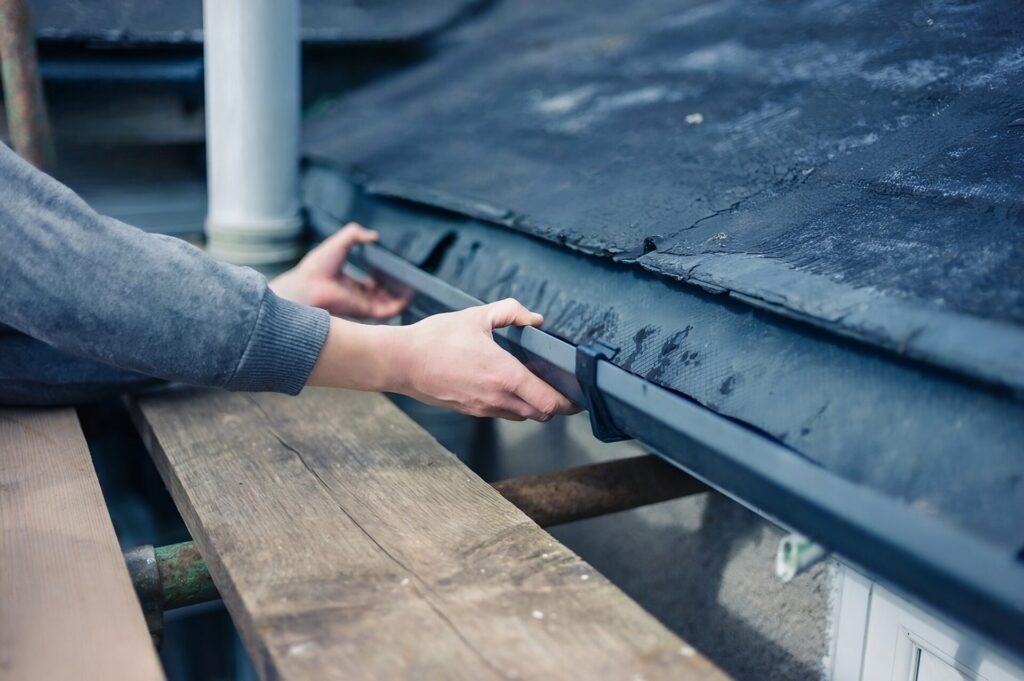
Gutters and downpipes should be installed with the correct slope and alignment to ensure efficient water flow. Over time, gutters can become misaligned due to weather conditions or structural shifts. Inspect your gutters and downpipes periodically to ensure they are properly aligned and sloped. If you notice any issues, consider hiring a professional to make adjustments.
Advanced Drainage Solutions
Install Downspout Extensions
Downspout extensions help direct water further away from your home’s foundations. These extensions can be flexible or rigid and come in various lengths. By extending the downspout, you can prevent water from pooling near the foundations, reducing the risk of leaks and water damage.
Consider a Rainwater Collection System
A rainwater collection system, such as a water butt, can be an excellent addition to your drainage solutions. These systems collect rainwater from your downspouts and store it for later use, such as watering your garden. Not only do they help prevent blockages by reducing the amount of water flowing through your downspouts, but they also promote sustainable water usage.
French Drains and Soakaways
For homes with persistent drainage issues, consider installing French drains or soakaways. A French drain is a trench filled with gravel and a perforated pipe that redirects water away from your property. A soakaway is an underground structure that collects and disperses water deep into the soil. Both options can be effective in managing excess rainwater and preventing blockages.
When to Call a Professional
While many downspout maintenance tasks can be performed by homeowners, there are times when professional help is necessary. If you encounter persistent blockages, notice damage to your gutters or downspouts, or suspect improper installation, it’s best to consult a professional. They can provide expert advice, perform necessary repairs, and ensure your rainwater management system functions optimally.
Conclusion
Keeping your downspouts clear is essential for effective rainwater management and protecting your home from water damage. By following these tips and investing in the right drainage solutions, you can prevent downspout blockages and ensure your home’s rainwater management system operates smoothly. Regular maintenance, combined with advanced solutions like gutter guards and downspout extensions, will help you safeguard your home and maintain its structural integrity for years to come. Remember, a little prevention goes a long way in keeping your home safe and dry. So, roll up your sleeves and start implementing these strategies today to keep your downspouts clear and functioning efficiently.
Get Professional Help from Total Exterior Group
If you’re looking for expert assistance with your gutter and downspout maintenance, look no further than Total Exterior Group. Our experienced professionals are equipped to handle everything from routine cleanings to advanced drainage system installations. Don’t wait for water damage to affect your home—contact Total Exterior Group today and ensure your rainwater management system is in top shape. Contact us to schedule a consultation and discuss how we can help protect your home’s exterior.