Posted on June 3rd 2024 by Total Exterior Group
Cladding is a popular choice for both residential and commercial properties across the United Kingdom. It not only enhances the aesthetic appeal of buildings but also provides an additional layer of protection against the elements. However, over time, cladding can accumulate dirt, grime, algae, and other unsightly substances.
This is where power washing comes into play, offering an effective solution for maintaining the appearance and longevity of your cladding. In this article, we will explore safe techniques for power washing cladding to ensure you achieve the best results without causing any damage.
Understanding the Basics of Power Washing Cladding
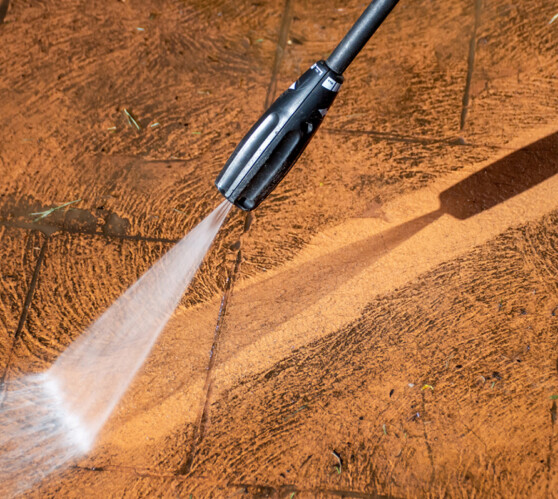
Power washing involves using a high-pressure water spray to remove dirt, mould, mildew, and other contaminants from surfaces. When it comes to cladding, this method is highly effective but requires careful handling to avoid damage. Here are some essential techniques for safely power washing cladding:
1. Choosing the Right Equipment
The first step in power washing cladding is selecting the appropriate equipment. It’s crucial to use a power washer with adjustable settings to control the water pressure. For cladding, a pressure setting between 1500 to 2000 PSI (pounds per square inch) is generally recommended. Higher pressures can damage the cladding material, while lower pressures might not be effective enough. Using the correct nozzle is also important; a 25-degree nozzle is typically ideal for cladding as it provides a broad spray pattern that can cover a larger surface area without causing damage.
2. Using the Correct Nozzle
The nozzle you choose will also impact the effectiveness and safety of the power washing process. A 25-degree nozzle is typically ideal for cladding as it provides a broad spray pattern that can cover a larger surface area without causing damage. Avoid using a zero-degree nozzle, as the concentrated stream can penetrate and damage the cladding material.
3. Pre-Treating the Surface
Before you start power washing, it’s a good idea to pre-treat the cladding with a suitable cleaning solution. This helps to loosen stubborn dirt and algae, making it easier to wash away. Ensure that the cleaning solution is compatible with your cladding material to prevent any chemical damage. For instance, using a mild detergent or a biocide can help eliminate mould and mildew effectively.

4. Maintaining the Right Distance
When power washing cladding, always maintain a safe distance between the nozzle and the surface. A distance of about 6 to 12 inches is usually effective. Getting too close can damage the cladding, while staying too far might reduce the cleaning efficiency. This is particularly important when dealing with delicate materials like wood, polyvinyl chloride (PVC), and composite materials.
5. Moving in a Controlled Manner
Move the power washer nozzle in a controlled, sweeping motion to ensure even cleaning. Avoid holding the nozzle in one spot for too long, as this can cause streaking or damage. Work from top to bottom to prevent dirty water from running down onto already cleaned areas.
6. Rinsing Thoroughly
After power washing, rinse the cladding thoroughly with clean water to remove any remaining cleaning solution and loosened dirt. This step is essential to prevent streaks and ensure a uniform appearance. Using a garden hose can be effective for this final rinse.
Additional Tips for Safe Power Washing
- Test in an Inconspicuous Area: Before power washing the entire surface, test the process on a small, inconspicuous area to ensure the pressure and technique won’t damage the cladding.
- Regular Maintenance: Regularly power washing your cladding can prevent the build-up of dirt and algae, making the cleaning process easier and more effective each time.
- Protect Surrounding Areas: Cover any plants, windows, or other areas that could be affected by the power washing process to avoid accidental damage.
Power Washing Various Cladding Materials
Different cladding materials require different approaches to power washing:
- Wood: Use a low-pressure setting and a fan spray nozzle to avoid damaging the wood fibers.
- Metal (including aluminium and stainless steel): Be cautious of rust and corrosion; use a mild detergent and avoid high pressure.
- Polyvinyl Chloride (PVC) and Composite Materials: Ensure that the cleaning solution is compatible to prevent chemical damage.
- Brick and Concrete: These materials can withstand higher pressures, but be wary of damaging the mortar between bricks.
- Glass and Windows: Use a low-pressure setting to prevent cracking or shattering.
Health and Safety Considerations
- Wear Protective Gear: Safety goggles, gloves, and appropriate clothing can protect you from debris and cleaning agents.
- Avoid Electrical Hazards: Be mindful of electrical outlets, wires, and equipment when power washing.
- Environmental Impact: Use environmentally friendly cleaning solutions to minimise harm to plants and wildlife.
Conclusion
Power washing is an effective method for maintaining the appearance and longevity of your cladding. By choosing the right equipment, using the correct nozzle, pre-treating the surface, maintaining the appropriate distance, and moving in a controlled manner, you can safely clean your cladding without causing any damage.
For more detailed guidance on power washing and other exterior cleaning solutions, you can explore Total Exterior Group’s services. By following these tips, you can keep your property looking its best and ensure your cladding remains in excellent condition for years to come.