Posted on January 10th 2025 by Total Exterior Group
When choosing the right roof for your Southport home, you may find yourself weighing up the pros and cons of flat roofs versus pitched roofs. Each option has unique features, benefits, and drawbacks. The choice you make will depend on your specific needs, budget, and preferences. In this article, we’ll explore these two popular roofing options to help you determine which is the best fit for your home.
Understanding Flat Roofs
Flat roofs are exactly what they sound like—roofs that are almost completely horizontal. Though not entirely flat, they have a slight pitch to allow water drainage. Flat roofs are typically constructed using materials such as rubber, asphalt, or PVC.

Advantages of Flat Roofs
- Cost-Effective: Flat roofs are often cheaper to install than pitched roofs as they require fewer materials and less labour. This makes them an attractive option for homeowners on a budget.
- Space Utilisation: One major benefit of flat roofs is the additional usable space they provide. They can be used for purposes such as rooftop gardens, solar panel installations, or even outdoor living areas.
- Modern Aesthetic: Flat roofs offer a sleek, modern appearance that is often desired in contemporary home designs.
Disadvantages of Flat Roofs
- Drainage Issues: Due to their minimal slope, flat roofs can be prone to water pooling, which may lead to leaks and water damage over time.
- Maintenance: Flat roofs require regular maintenance to remain watertight and free from debris that could obstruct drainage.
- Shorter Lifespan: Generally, flat roofs have a shorter lifespan than pitched roofs and may require more frequent repairs or replacements.
Exploring Pitched Roofs
Pitched roofs are a more traditional roofing option, featuring two or more sloping sides that meet at a peak. These roofs are commonly covered with materials such as tiles, shingles, or metal.
Advantages of Pitched Roofs
- Better Drainage: The steep slope of pitched roofs allows for efficient water drainage, reducing the risk of leaks and water damage.
- Durability: Pitched roofs are known for their durability and can withstand harsh weather conditions better than flat roofs. They often have a longer lifespan and require fewer repairs.
- Energy Efficiency: Pitched roofs provide better insulation and ventilation, contributing to improved energy efficiency and reduced heating and cooling costs.
Disadvantages of Pitched Roofs
- Higher Cost: Pitched roofs can be more expensive to install due to their complex design and the additional materials and labour required.
- Limited Space: Unlike flat roofs, pitched roofs do not provide additional usable space. The attic space under a pitched roof can be used for storage, but it is not typically accessible for outdoor use.
- Aesthetic Limitations: Pitched roofs may not suit all architectural styles, particularly those with a modern or minimalist design.
Roof Replacement Considerations
When considering a roof replacement, it’s important to evaluate both the initial costs and the long-term benefits of each option. Here are some factors to consider:
- Budget: Determine how much you are willing to invest in your new roof. While flat roofs may be cheaper upfront, pitched roofs could save you money in the long run due to their durability and energy efficiency.
- Climate: Consider Southport’s weather conditions. Pitched roofs may be better suited to areas with heavy rainfall, while flat roofs might be adequate in regions with milder climates.
- Home Design: Think about your home’s architectural style and how each roofing option complements or clashes with its appearance.
- Future Plans: Consider how you intend to use your roof. If you envision creating a rooftop garden or installing solar panels, a flat roof might be the better choice.
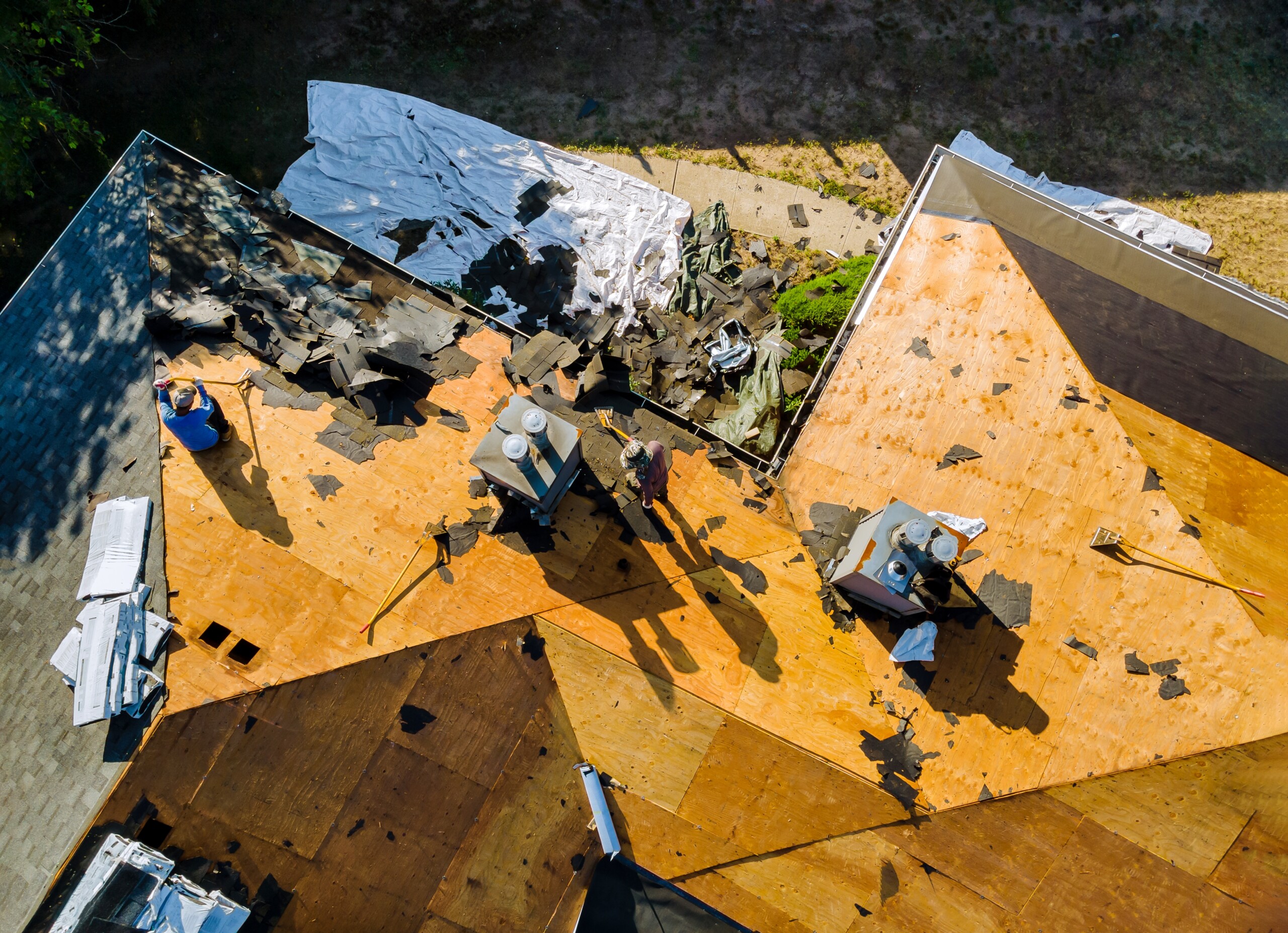
Roof Maintenance and Repair
Both flat and pitched roofs require maintenance and occasional repairs to ensure they remain in good condition. Regular inspections, cleaning, and timely repairs can extend the lifespan of your roof, regardless of its type.
Flat Roof Maintenance Tips
- Regular Inspections: Check your flat roof for signs of damage or wear, such as cracks, blisters, or pooling water. Address any issues promptly to prevent further damage.
- Clear Debris: Remove leaves, branches, and other debris that could obstruct drainage and lead to water pooling.
- Check Seals: Ensure the seals around vents, chimneys, and skylights are intact and watertight.
Pitched Roof Maintenance Tips
- Inspect Tiles: Look for missing, damaged, or curled tiles and replace them as needed to prevent leaks.
- Clean Gutters: Keep gutters clear of debris to ensure proper water drainage away from the roof.
- Trim Trees: Cut back overhanging branches that could damage the roof or provide a pathway for pests.
Making the Right Choice for Your Southport Home
Ultimately, the decision between a flat roof and a pitched roof for your Southport home will depend on your personal preferences, budget, and the specific needs of your property. Consider the advantages and disadvantages of each option, as well as the maintenance requirements and potential future uses of your roof. By carefully weighing these factors, you can make an informed decision that enhances the beauty, functionality, and value of your home for years to come.
Contact Total Exterior Group for Your Roofing Needs
Are you ready to make the best choice for your Southport home’s roof? Whether you prefer the modern appeal of a flat roof or the traditional durability of a pitched roof, Total Exterior Group is here to help!
Our team of experts can guide you through the selection process, provide professional installation, and ensure your roof meets all your needs. Don’t wait any longer! Contact Total Exterior Group today for a free consultation.
Posted in Roof, on January 10th 2025