Posted on July 19th 2024 by Total Exterior Group
Maintaining the exterior of your home is just as important as keeping the inside clean and organised. One often-overlooked aspect of exterior home maintenance is tree trimming. Not only does proper tree trimming enhance the kerb appeal of your home, but it also promotes tree health and safety. In this article, we will delve into various tree trimming techniques and the benefits of maintaining your trees.
The Importance of Tree Trimming
Tree trimming, also known as pruning, is essential for several reasons. Regular maintenance ensures the health of the tree, reduces hazards, and enhances the aesthetic appeal of your property. Here are some key benefits of tree trimming:
Promotes Tree Health
By removing dead or diseased branches, you allow the tree to focus its energy on healthy growth. This process helps in preventing the spread of disease to other parts of the tree, ensuring it stays robust and vibrant. Additionally, pruning helps in improving air circulation within the tree canopy, which can reduce the likelihood of fungal infections. Regular trimming also encourages the development of strong, healthy branches, which can better withstand storms and other environmental stressors.
Enhances Safety
Trimming reduces the risk of falling branches, which can cause injury or damage property. Overgrown branches can obstruct views, block pathways, and pose a threat to structures like homes, fences, and power lines. Removing these hazards not only makes your property safer but also reduces the likelihood of costly repairs. Moreover, strategically trimming trees can improve the visibility of your home, enhancing security by eliminating potential hiding spots for intruders.
Improves Appearance
Well-maintained trees contribute significantly to the overall look of your landscape. Pruning helps in shaping the tree, giving it a more aesthetically pleasing form that complements your garden design. It also encourages better light penetration, which can benefit understory plants and promote a lush, healthy garden environment. A beautifully trimmed tree can be a focal point in your yard, adding to the overall visual appeal of your property.
Encourages Fruit Production
For fruit-bearing trees, proper pruning can increase the yield. By removing old, non-productive branches, you can stimulate the growth of new, fruit-bearing wood. This process not only boosts fruit production but also improves the quality of the fruit. Properly pruned fruit trees are more likely to produce larger, healthier fruits, making your harvest more bountiful and enjoyable.
Tree Pruning Techniques
To get the most out of your tree pruning efforts, it’s important to use the right techniques. Here are some effective methods:
Thinning
Thinning involves removing select branches to improve light penetration and air circulation within the tree canopy. This technique helps maintain the tree’s natural shape and prevents overcrowding. By carefully selecting which branches to remove, you can enhance the tree’s structure and reduce the risk of disease. Thinning is particularly beneficial for densely growing trees, as it allows more sunlight to reach the lower branches and the ground below.
Raising
Raising is the process of removing the lower branches of a tree to provide clearance for pedestrians, vehicles, or buildings. This technique is particularly useful for urban trees that need to coexist with human infrastructure. By raising the canopy, you can ensure that pathways and driveways remain accessible and safe. Additionally, raising can improve the visual appeal of the tree by creating a more balanced and open structure.
Reduction
Reduction reduces the size of the tree while maintaining its natural shape. This technique is often used to prevent trees from interfering with power lines or other structures. By carefully shortening branches, you can manage the tree’s size without compromising its health or aesthetics. Reduction pruning is also useful for managing the growth of fast-growing species that may outgrow their allotted space.
Cleaning
Cleaning involves removing dead, diseased, or damaged branches from the tree. This technique is essential for maintaining the tree’s health and preventing the spread of disease. Regular cleaning can help in identifying potential problems early, allowing for timely intervention. This method not only improves the tree’s appearance but also reduces the risk of falling branches, enhancing safety.
Crown Shaping
Crown shaping involves selectively trimming branches to create a desired shape or form. This technique is often used for ornamental trees to enhance their aesthetic appeal. By carefully shaping the crown, you can create visually striking trees that add to the beauty of your landscape. Crown shaping requires a good understanding of the tree’s growth patterns and should be done with care to avoid damaging the tree.
Pollarding
Pollarding is a technique where the upper branches of a tree are removed to promote a dense head of foliage. This method is often used for trees in urban environments to control their size and shape. Pollarding can create a distinctive look and is a traditional technique for certain tree species. It requires regular maintenance to keep the tree in the desired form and should be started when the tree is young.
When to Prune Your Trees
The timing of tree pruning can significantly impact the health and growth of your trees. Here are some general guidelines:
Dormant Season
The dormant season, typically late winter to early spring, is the best time to prune most trees. During this period, trees are less susceptible to disease and pests, and wounds heal faster. Pruning in the dormant season also allows you to see the tree’s structure more clearly, making it easier to make precise cuts. Additionally, dormant season pruning can encourage vigorous growth in the spring.
Flowering Trees
For trees that flower in the spring, it’s best to prune them right after their flowers fade. This ensures that you don’t cut off next year’s buds. Pruning at the right time can enhance the tree’s flowering potential and improve the overall health of the tree. Trees that flower in the summer should be pruned in late winter or early spring to avoid interfering with their blooming cycle.
Dead or Hazardous Branches
Remove dead, diseased, or hazardous branches as soon as you notice them, regardless of the season. Prompt action can prevent further damage and promote tree health. Dead branches can be a source of disease and pests, so removing them quickly is essential. Hazardous branches that pose a risk to people or property should be addressed immediately to ensure safety.
Seasonal Considerations
Different tree species have varying needs when it comes to pruning timing. Understanding the specific requirements of your trees can help in planning the best time for pruning. For instance, some trees may benefit from summer pruning to control growth, while others should only be pruned in the dormant season. Consulting with a professional arborist can provide valuable insights into the optimal timing for your specific trees.
Weather Conditions
Weather conditions can also impact the best time for tree pruning. Avoid pruning during extreme weather conditions, such as high winds or heavy rains, as this can increase the risk of injury and damage to the tree. Ideal weather conditions for pruning are mild and dry, ensuring that the tree can heal quickly and reducing the risk of disease spread.

Tools for Tree Pruning
Using the right tools is crucial for effective and safe tree pruning. Here are some essential tools:
Secateurs
Secateurs are ideal for small branches and twigs. They provide precise cuts and are easy to handle, making them perfect for detailed work. Regularly sharpening your secateurs ensures clean cuts, which are essential for the tree’s health. Secateurs come in various sizes and styles, so choose one that fits comfortably in your hand for better control.
Loppers
Loppers are used for cutting medium-sized branches. They offer more leverage than secateurs, making it easier to cut through thicker branches. Loppers come with long handles, providing better reach and reducing the effort needed for cutting. Opt for loppers with sharp, durable blades to ensure clean and efficient cuts.
Pruning Saws
Pruning saws are best for larger branches that can’t be cut with secateurs or loppers. They have a curved blade that helps in making smooth cuts with minimal effort. Pruning saws come in various sizes, so choose one that matches the thickness of the branches you need to cut. A sharp pruning saw ensures quick and clean cuts, reducing the risk of damaging the tree.
Pole Pruners
Pole pruners are extendable tools for reaching high branches. They combine a pruning saw and a bypass lopper on a long pole, allowing you to prune branches without using a ladder. Pole pruners are ideal for tall trees and hard-to-reach areas, ensuring safety while pruning. Choose a pole pruner with a sturdy, lightweight pole for ease of use.
Chainsaws
Chainsaws are suitable for cutting large branches and tree felling. They offer powerful cutting capabilities but require careful handling and safety precautions. Chainsaws come in various sizes and power options, so select one that matches the size of the job. Always wear protective gear and follow safety guidelines when using a chainsaw to prevent accidents.
Sharpening Tools
Keeping your pruning tools sharp is essential for making clean cuts. Invest in sharpening tools like whetstones or sharpening files to maintain the sharpness of your secateurs, loppers, and saws. Regularly sharpening your tools not only makes pruning easier but also promotes the tree’s health by ensuring clean cuts that heal quickly.
Safety Tips for Tree Pruning
Tree pruning can be hazardous if not done correctly. Here are some safety tips to keep in mind:
Wear Protective Gear
Always wear gloves, safety glasses, and a hard hat to protect yourself from falling branches and debris. Sturdy, non-slip footwear is also essential to ensure stable footing while working. Long sleeves and trousers can protect your skin from scratches and insect bites. Wearing the right protective gear can significantly reduce the risk of injury while pruning trees.
Inspect Trees
Before starting, check for hazards such as power lines and unstable branches. Identifying potential risks can help in planning your pruning process more safely. If a tree is near power lines, consider hiring a professional to handle the job. Inspecting the tree for signs of disease or damage can also help in determining the best approach for pruning.
Use Proper Techniques
Make clean cuts to avoid damaging the tree. Cutting too close to the trunk can harm the tree, while leaving too much of a stub can lead to decay. Use the three-cut method for larger branches to prevent the bark from tearing. Proper pruning techniques promote the tree’s health and ensure a more aesthetically pleasing result.
Avoid Climbing
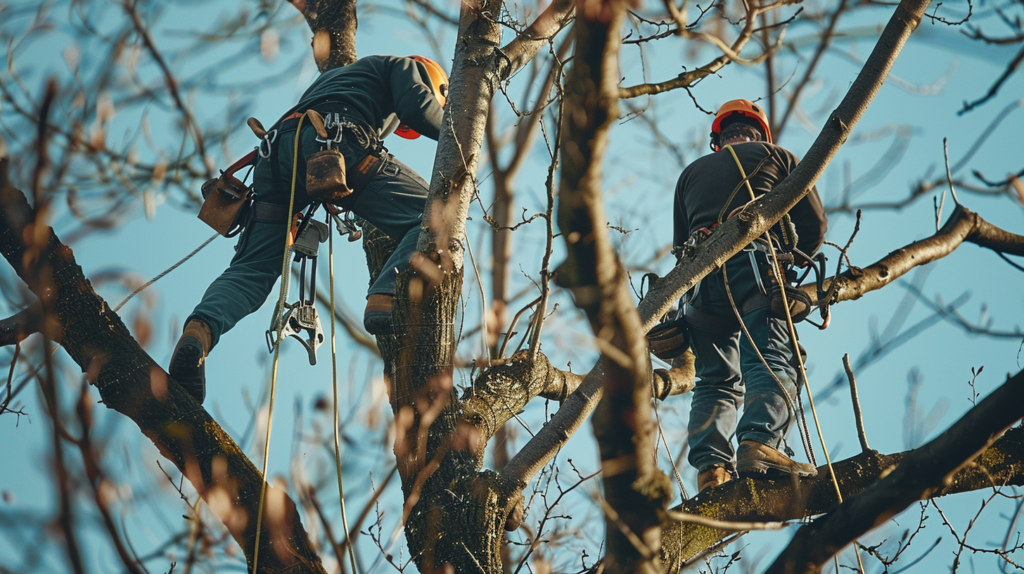
Use a stable ladder or hire a professional for high branches. Climbing trees can be dangerous and should only be done with proper safety equipment and training. If you must use a ladder, ensure it is on stable ground and have someone hold it for additional support. For very tall trees, it’s best to hire a professional arborist who has the necessary equipment and expertise.
Be Aware of Weather Conditions
Avoid pruning during windy or stormy weather. High winds can make branches more unpredictable and increase the risk of injury. Wet conditions can make surfaces slippery, leading to falls. Choose a calm, dry day for tree pruning to ensure safety and better control over the pruning process.
Emergency Plan
Have an emergency plan in place in case of accidents. Keep a first aid kit nearby and know the location of the nearest medical facility. Inform someone of your plans and ensure they can check on you periodically. Having a plan in place can provide peace of mind and ensure quick action in case of an emergency.
Hiring a Professional
While many tree trimming tasks can be done by homeowners, some situations call for professional help. Consider hiring a certified arborist if:
The Tree is Large or Near Power Lines
Professionals have the equipment and expertise to handle these risks safely. Large trees or those near power lines pose significant hazards that require specialised skills. Arborists are trained to manage these situations and can safely trim or remove trees without causing damage. Hiring a professional ensures that the job is done correctly and safely, minimising the risk of accidents.
You Need Major Pruning or Tree Removal
Major tasks require specialised tools and knowledge. Professional arborists have the experience and equipment to handle large-scale pruning or tree removal efficiently. They can assess the tree’s condition and determine the best approach to minimise damage to your property. Major pruning or removal is not only physically demanding but also requires an understanding of tree biology to avoid harming the tree.
You Want Expert Advice
An arborist can assess the health of your trees and recommend the best care practices. They can identify signs of disease, pest infestations, or structural issues that may not be apparent to the untrained eye. Arborists can also provide guidance on the best pruning techniques and timing for your specific trees. Investing in professional advice can lead to healthier trees and a more beautiful landscape.
Specialised Services
Arborists offer specialised services such as cabling and bracing, which can support weak branches and improve tree stability. They can also perform soil testing and provide fertilisation recommendations to enhance tree health. Arborists can create a customised tree care plan tailored to your landscape’s unique needs. These specialised services can extend the life of your trees and improve their overall health.
Emergency Situations
In cases of storm damage or fallen trees, professional arborists can provide emergency services to safely manage the situation. They have the expertise to handle dangerous conditions and can quickly restore safety to your property. Hiring a professional in these situations can prevent further damage and ensure the safety of you and your family.
Conclusion
Maintaining the health and appearance of your trees is crucial for both the safety and beauty of your property. Adhering to proper pruning techniques and safety measures can make a significant difference. However, some tasks are best left to professionals who have the necessary skills and equipment to handle complex or hazardous tree care situations.
For those looking to keep their brick surfaces as pristine as their trees, consider reaching out to Total Exterior Group for professional brick cleaning services. Utilising advanced cleaning methods and eco-friendly products, Total Exterior Group ensures your brickwork maintains its structural integrity and visual appeal.
Contact Total Exterior Group for Tree Trimming Services
Elevate the aesthetic and value of your property by entrusting your tree care and brick cleaning needs to experts. Contact Total Exterior Group today for a comprehensive consultation and to schedule your service. Let us help you create a safe, beautiful, and well-maintained outdoor space.
Reach out now to see how Total Exterior Group can enhance your home’s exterior with professional care and attention to detail.